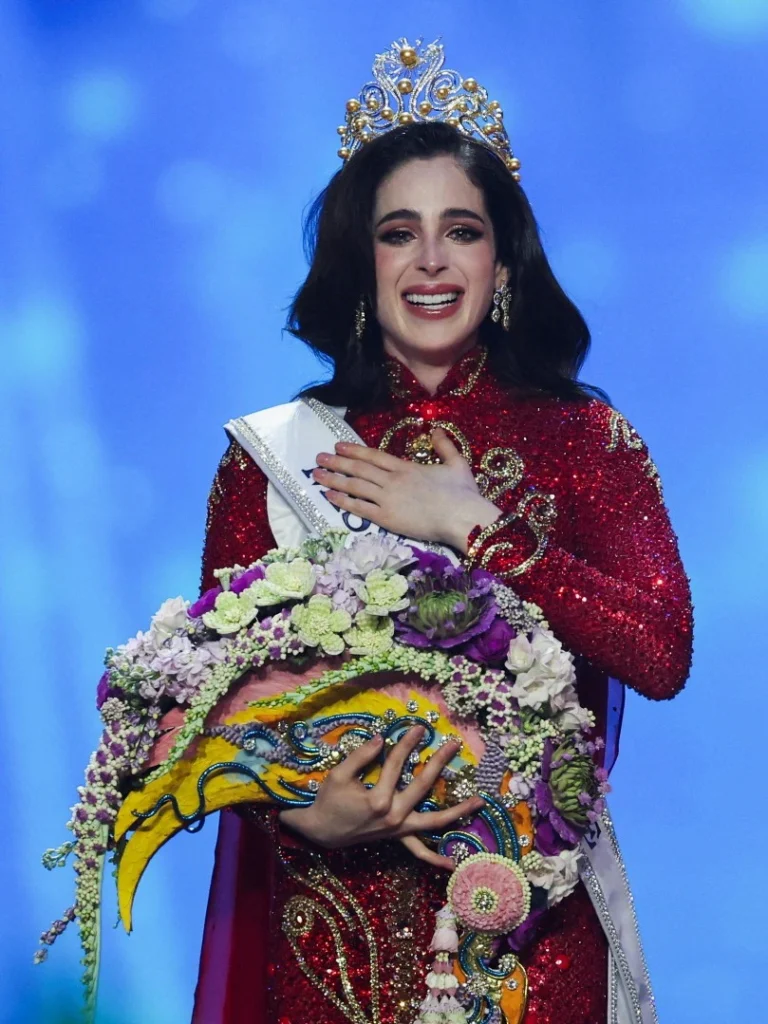
In recent weeks, a video titled “Fátima Bosch Miss Universe 2026” has gone viral across platforms like TikTok, X (formerly Twitter), Instagram Reels, and YouTube Shorts. The clip, often accompanied by dramatic music, emotional transitions, and glamorous runway shots, quickly caught the attention of global beauty pageant fans.
However, the rapid spread of the video also triggered widespread confusion. Many viewers assumed the footage was an official announcement related to the Miss Universe competition. In reality, the lack of verified sources and official confirmation raised serious questions about the video’s authenticity, sparking debates, searches, and speculation worldwide.
Who Is Fátima Bosch?
Fátima Bosch is a rising figure in the international beauty and fashion scene. Known for her striking presence, confident runway walk, and strong social media following, she has become a recognizable name among pageant enthusiasts.
While she has been associated with modeling, fashion events, and beauty-related content, Bosch has not been officially announced as a Miss Universe titleholder. Her public image reflects elegance, modern femininity, and global appeal—qualities that make her a popular subject for fan-made edits and viral content.
Basic Profile of Fátima Bosch
Full Name: Fátima Bosch
Country: Mexico
Profession: Model & Beauty Influencer
Known For: Pageant-related appearances, viral fan edits, fashion content
Languages: Spanish, English
Why Did the Video Go Viral?
Several factors contributed to the explosive popularity of the so-called “Miss Universe 2026” video:
1. Emotional Visual Storytelling
The video uses slow-motion runway clips, crown visuals, and cinematic lighting that strongly resemble official pageant highlight reels. This emotional presentation easily convinces casual viewers.
2. Fan Edits and AI Enhancements
Many versions of the video appear to be fan-made, featuring enhanced graphics, text overlays, and reused footage from past events. Some edits even include Miss Universe-style logos, further blurring the line between reality and fiction.
3. Misleading Captions
Phrases like “Miss Universe 2026 Winner” or “Crowned at Last” were widely used in captions, despite lacking credible sources. These captions played a major role in fueling misinformation.
4. Algorithmic Boost
Short-form video algorithms favor high-engagement content. As viewers liked, shared, and commented—often questioning the claim—the platforms pushed the video to even larger audiences.
5. Cross-Platform Sharing
Once the clip gained traction on one platform, it rapidly spread to others, amplifying its reach globally within days.
Is She Really Miss Universe 2026?
At this time, there is no official confirmation that Fátima Bosch is Miss Universe 2026. The Miss Universe Organization has not released any announcement, press statement, or verified content supporting this claim.
Such viral moments are not uncommon in the digital age. Edited footage, reused runway clips, and fan speculation can easily create false narratives—especially when major global pageants are involved. Viewers are strongly advised to rely only on official Miss Universe channels and verified news outlets for accurate results.
Public Reaction & Social Media Buzz
The public response has been massive. Search terms like “Fátima Bosch Miss Universe 2026,” “Is Fátima Bosch crowned?” and “Miss Universe viral video explained” began trending in multiple regions.
While some fans celebrated prematurely, others expressed skepticism, urging people to fact-check before sharing. Pageant forums, Reddit threads, and X discussions reflected a mix of excitement, confusion, and critical analysis—highlighting how quickly misinformation can spread online.